Inside Our Latest Community Prevention Visit to Pormpuraaw
Inside Our Latest Community Prevention Visit to Pormpuraaw
There is a very different picture of animal welfare in remote communities when you experience it from within the community.
Visiting a remote community is one thing. Regularly spending days walking its streets, meeting people outside their homes, talking about their animals and listening to their experiences gives you a very different perspective. During a Community Prevention Visit, we have the opportunity to speak directly with a significant portion of the community in a way that most visitors simply wouldn't have time to do.
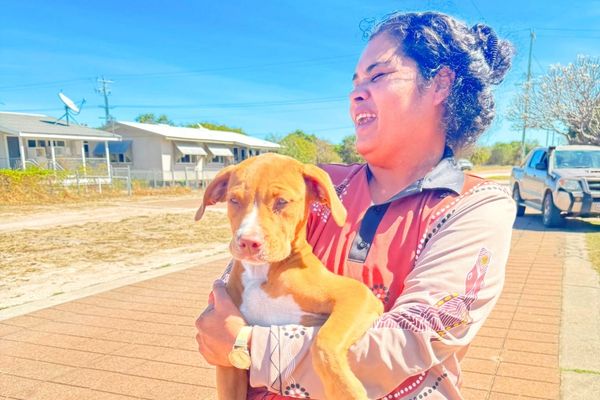
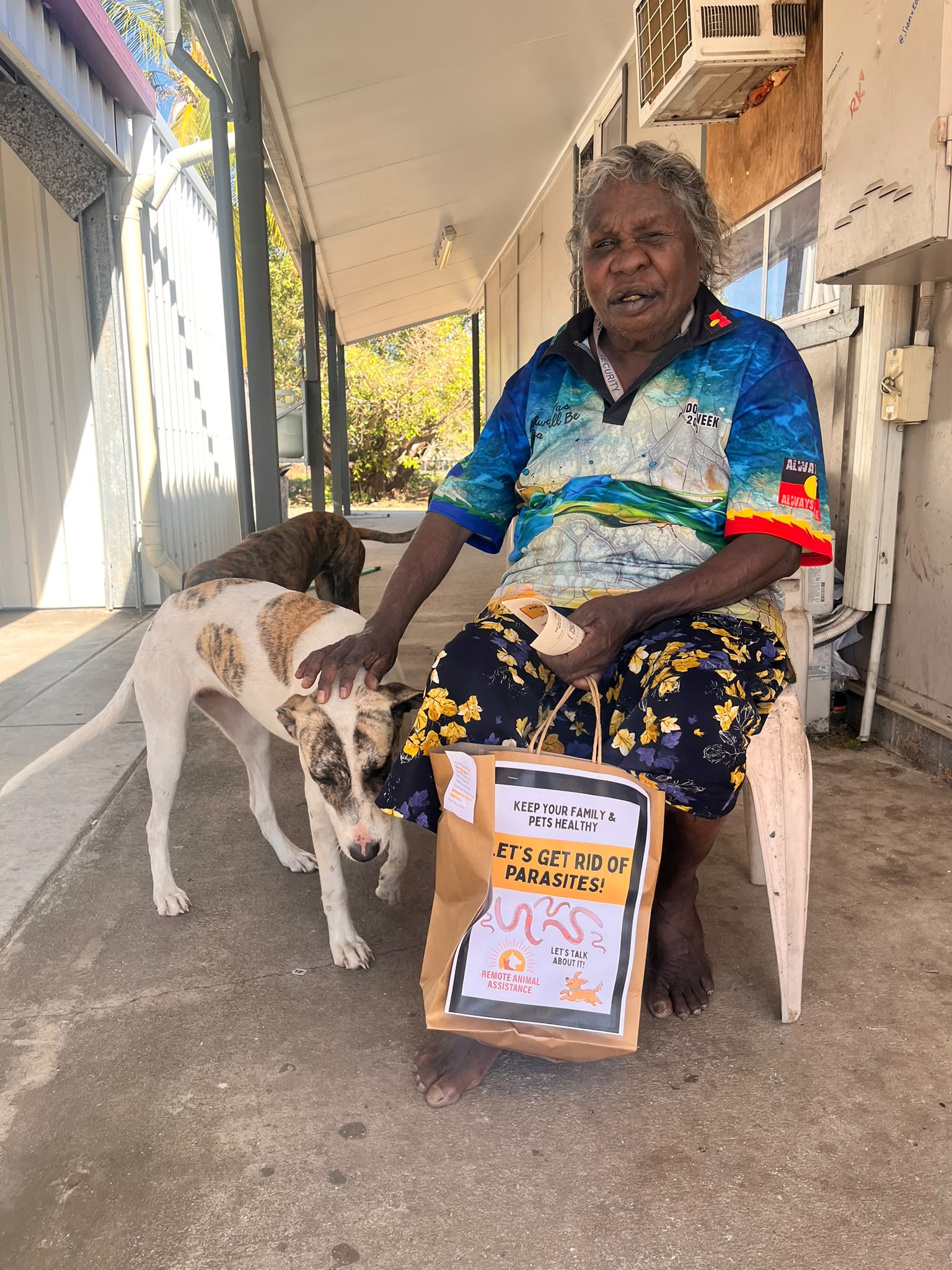
During our August Community Prevention Visit to Pormpuraaw, we spent two days working alongside community members, Pormpuraaw Aboriginal Shire Council, Tropical Vets, local health professionals and volunteers. We walked from house to house, treated dogs for parasites, helped puppies receive parvovirus vaccinations and transported dogs to the veterinary clinic for desexing. We also talked with families about animal health, hygiene and diseases that can pass between animals and people.
But some of the most important things we learned had nothing to do with the number of treatments delivered. They came from conversations on the side of the road, people calling us over to talk about their dogs, and community members making sure their neighbours' animals didn't miss out.
Those conversations give us something incredibly important: a clearer understanding of what is actually happening within the community, rather than relying on perceptions or stereotypes from the outside.
And they reinforced something we believe strongly at Remote Animal Assistance: the animal welfare challenges we see in remote communities are often not caused by a lack of care. They're generally caused by a lack of awareness, not knowing how to recognise a pet health issue, or where to go for help.
What a Community Prevention Visit Actually Looks Like
Our Community Prevention Visits aren't delivered from behind a table waiting for people to come to us. We walk.
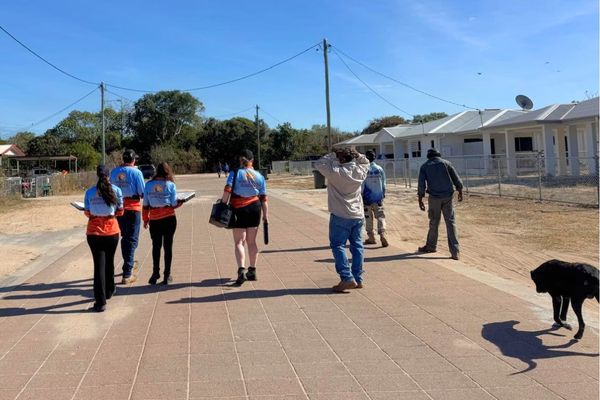
On our first day in Pormpuraaw, we spent the day moving through the community, street by street and house by house. We don't simply walk into people's yards. Apart from respecting people's homes and privacy, there are obvious safety considerations when unfamiliar dogs are present. Instead, we talk to people who are outside, call out when appropriate and start conversations wherever we can.
This time, we had an enormous advantage. Melanie, Pormpuraaw's Director of Nursing who gave up time during her annual leave. She knew the community and she knew the people. Rather than conversations about animal and human health feeling formal or forced, Melanie could introduce us and help create natural conversations about pet ownership, hygiene and health, including how some diseases and parasites can move between animals and humans.
"Can You Help My Dog Too?"
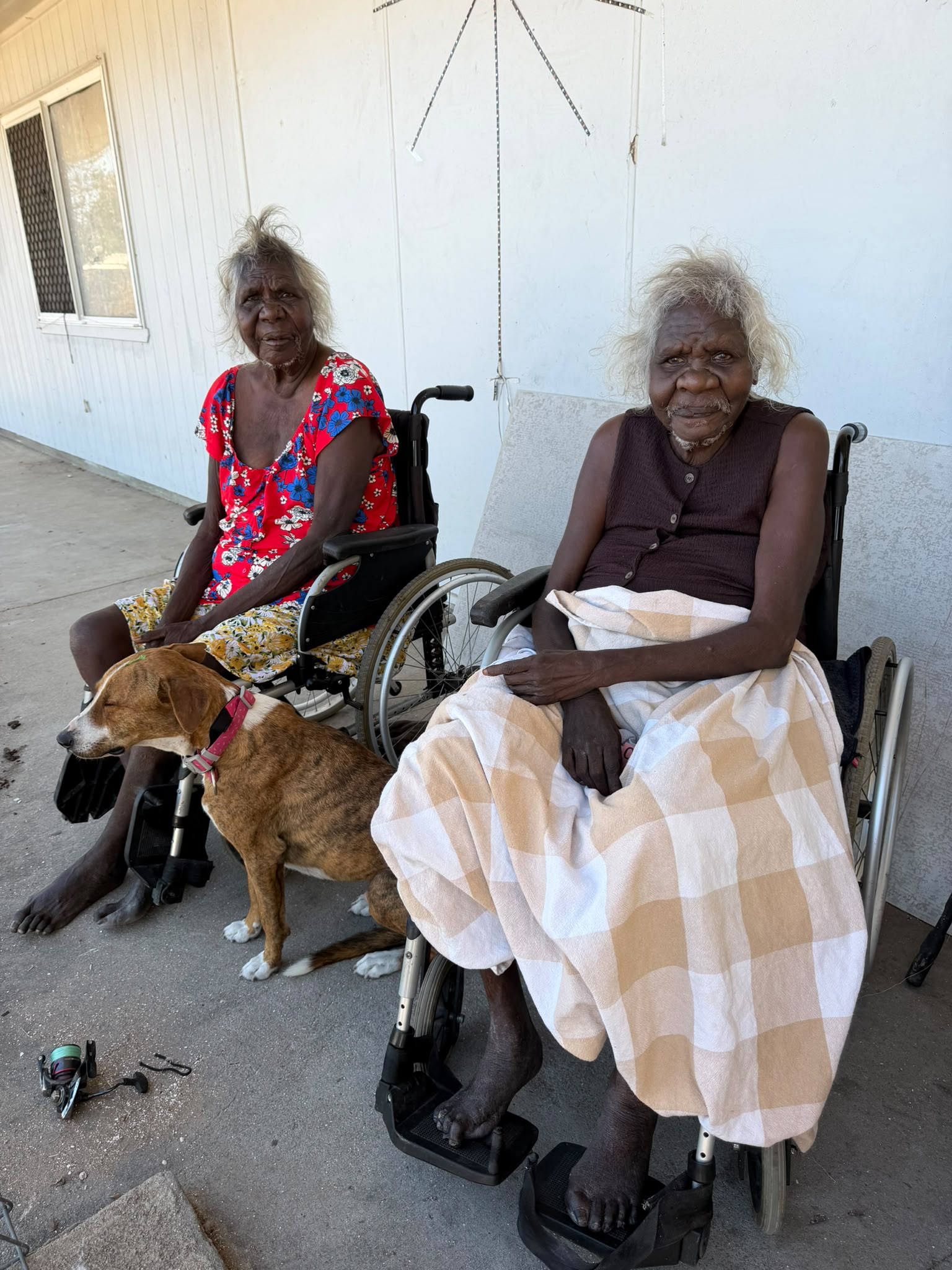
Early on our first day, we met Susan and Doris. They had plenty of dogs and puppies around them and were incredibly welcoming. They wanted to know what we were doing, talk about their animals and make sure we felt welcomed into their community.
And they weren't alone.
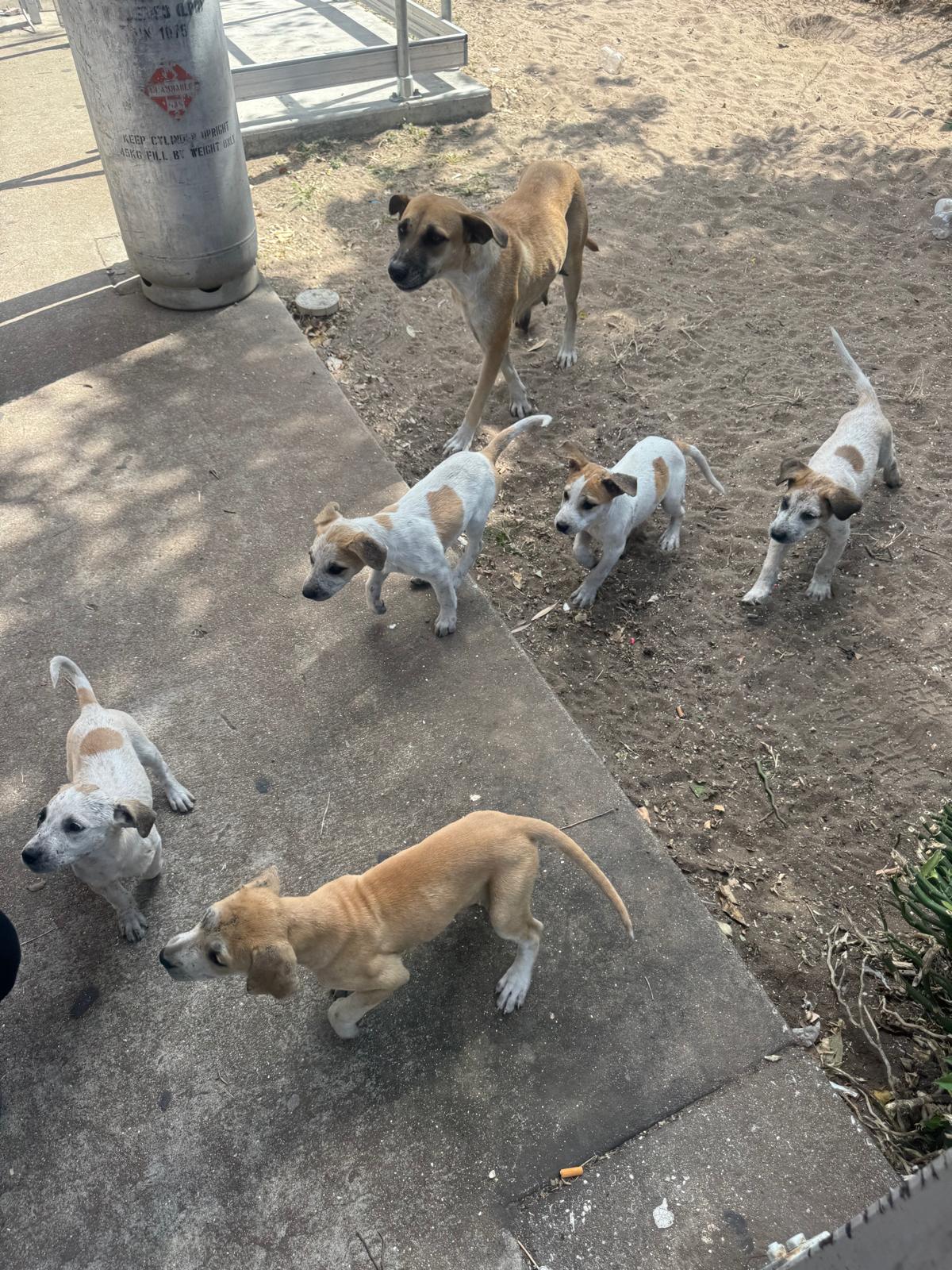
At the end of one street, we found a group of gorgeous puppies wandering around. Their owner came over and was incredibly grateful that we were there, but she wasn't only thinking about her own dogs. She told us there was a big black dog around the corner belonging to a family member and wanted to make sure we found him too, as he was a bit skinny.
Another community member stopped us more than once because he wanted to make sure his "big fat cat", Garfield, didn't miss out on parasite prevention.
We met another woman who was preparing to catch a flight. Her dog was safely inside while she prepared to leave, but when she realised we were providing care, she walked us back to her home so she wouldn't miss the opportunity.
These might sound like small interactions, but they're not. They challenge an assumption about remote communities that we encounter far too often.
The People We Met Care Deeply About Their Animals
There can be a tendency to look at a dog with worms, parasites or an untreated condition and assume its owner doesn't care. What we experienced in Pormpuraaw (and all communities we visit) told a very different story.
People actively sought us out. They asked questions, brought us their animals, directed us towards other dogs they thought needed help and changed their plans so their dogs could receive care.
One woman we met had eight large dogs that needed desexing. The following day, our team helped transport all eight to the clinic. Eight dogs desexed in one family has the potential to prevent an enormous number of unplanned puppies from being born over the years ahead.
The willingness was there. The service just needed to be more accessible.
Of course, animal neglect can occur anywhere. It happens in cities, regional towns and remote communities. But it would be deeply unfair to use individual cases to characterise an entire community.
What we repeatedly saw in Pormpuraaw were people who cared about their animals but didn't have access to many of the services and information most Australians take for granted.
Imagine Having No Local Vet to Call
If your dog's skin suddenly changed, you might call your vet. If your puppy became sick, you might book an appointment. If you noticed worms, you could walk into a supermarket, pet shop or veterinary clinic and buy treatment.
Those options aren't necessarily available in Pormpuraaw.
During our visit, we went into the local supermarket and noticed there didn't appear to be parasite preventatives readily available for people to purchase. Some treatments may be available through Council, but that still requires people to know what they need, know where to ask for it and be comfortable asking.
Buying online isn't a complete solution either. It requires internet access, confidence purchasing online and the ability to know which product your animal needs.
Then there's the cost. The combination of Drontal and Bravecto we provided to protect a dog for approximately three months costs RAA around $75 per dog. For many Australian households, paying around $75 every three months for each dog would be significant. For families with several dogs, it becomes considerably more difficult.
You Can't Prevent Something You Don't Recognise
Access to the product is only one part of the problem. Education matters too.
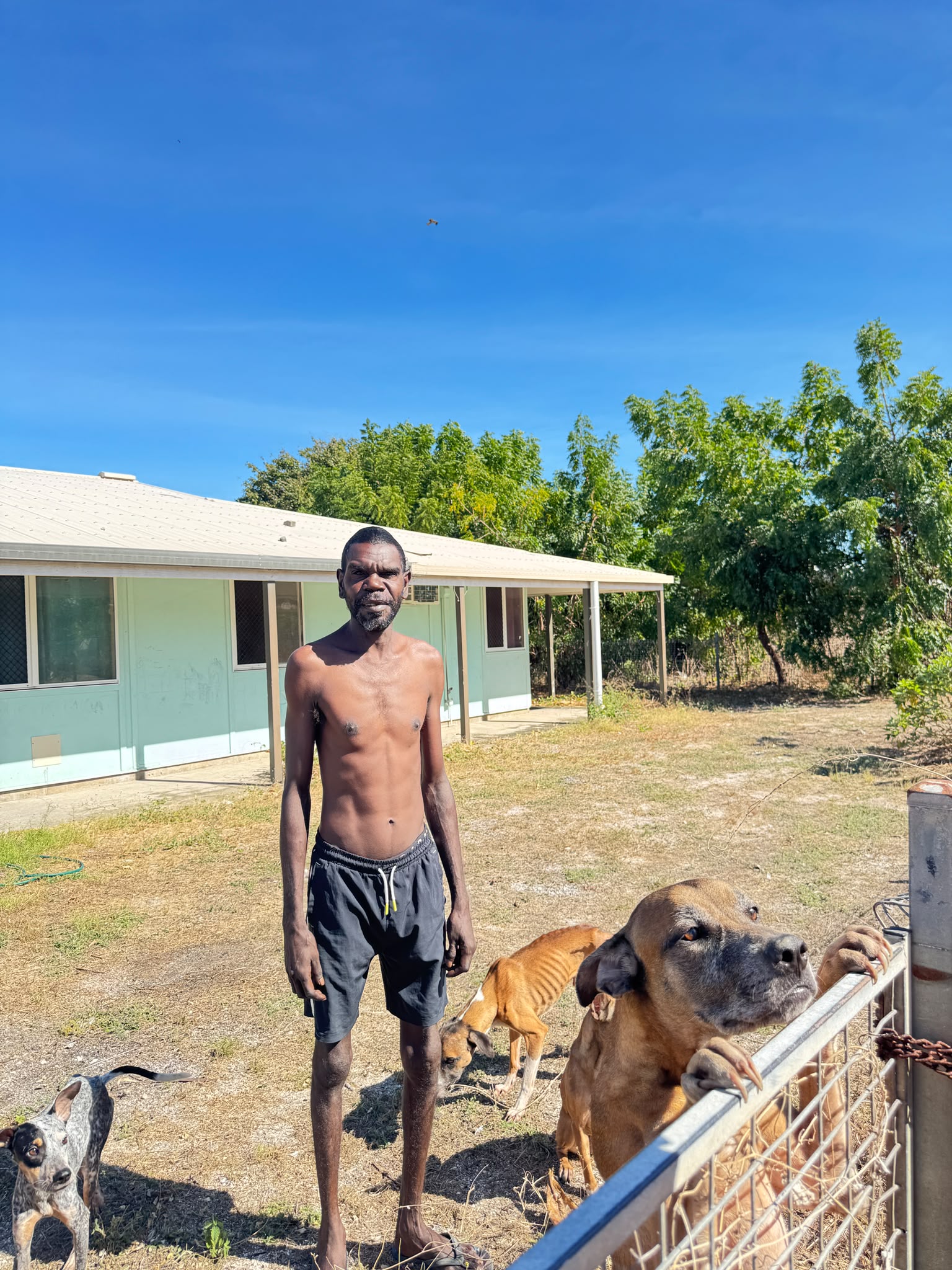
We encountered dogs with significant worm burdens, yet their owners didn't necessarily recognise what they were seeing or understand that it could be prevented.
At another home, there were dogs with wart-like growths around their mouths. Their owners were concerned. In particular, they wanted to know whether the condition could spread to the kids, but they didn't know who to ask.
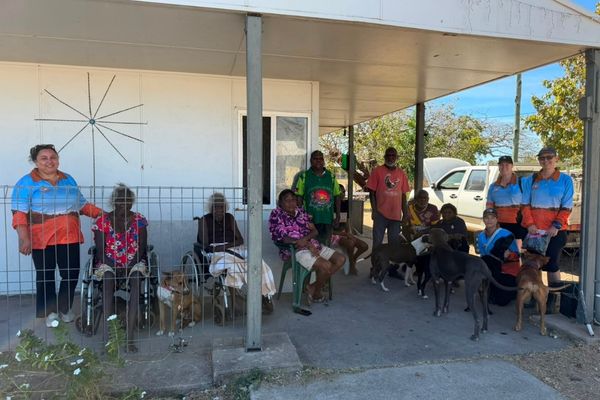
Those interactions highlight that people were willing to come to us for help, when we were accessible to them, and it's certainly made us think more about how we can make ourselves more accessible in a community context going forward.
Sometimes the gap isn't willingness to seek help. It's knowing where to start.
Around 95% of What We Saw Was Preventable
One of the strongest reflections from this visit was just how much of the suffering we encountered could potentially have been prevented: heavy worm burdens, ticks and fleas, and parvovirus.
These aren't mysterious diseases without solutions. We know how to prevent them. The challenge is getting those solutions to dogs consistently.
Our previous Pormpuraaw visit was in February, approximately six months earlier. The time between visits was evident. The parasite treatments previously provided had long since worn off, and compared with our more recent experience in Hope Vale, we saw more dogs affected by worms, ticks and fleas.
It reinforced why returning regularly is so important. One dose doesn't provide lifelong protection. Puppies continue to be born, new dogs need vaccinations and parasite protection needs to be repeated. Parvovirus vaccination also requires someone appropriately qualified to administer it.
This isn't about arriving once, treating as many animals as possible and considering the job finished. It's about continuity.
Eight Dogs, One Ute and a Team Determined to Make It Happen
None of this work happens because of one organisation. Our Pormpuraaw visit was a collective effort.
Jas and Graham from Tropical Vets delivered the veterinary clinic, funded by Pormpuraaw Aboriginal Shire Council. Their approach was respectful, understanding and focused on providing accessible veterinary care.
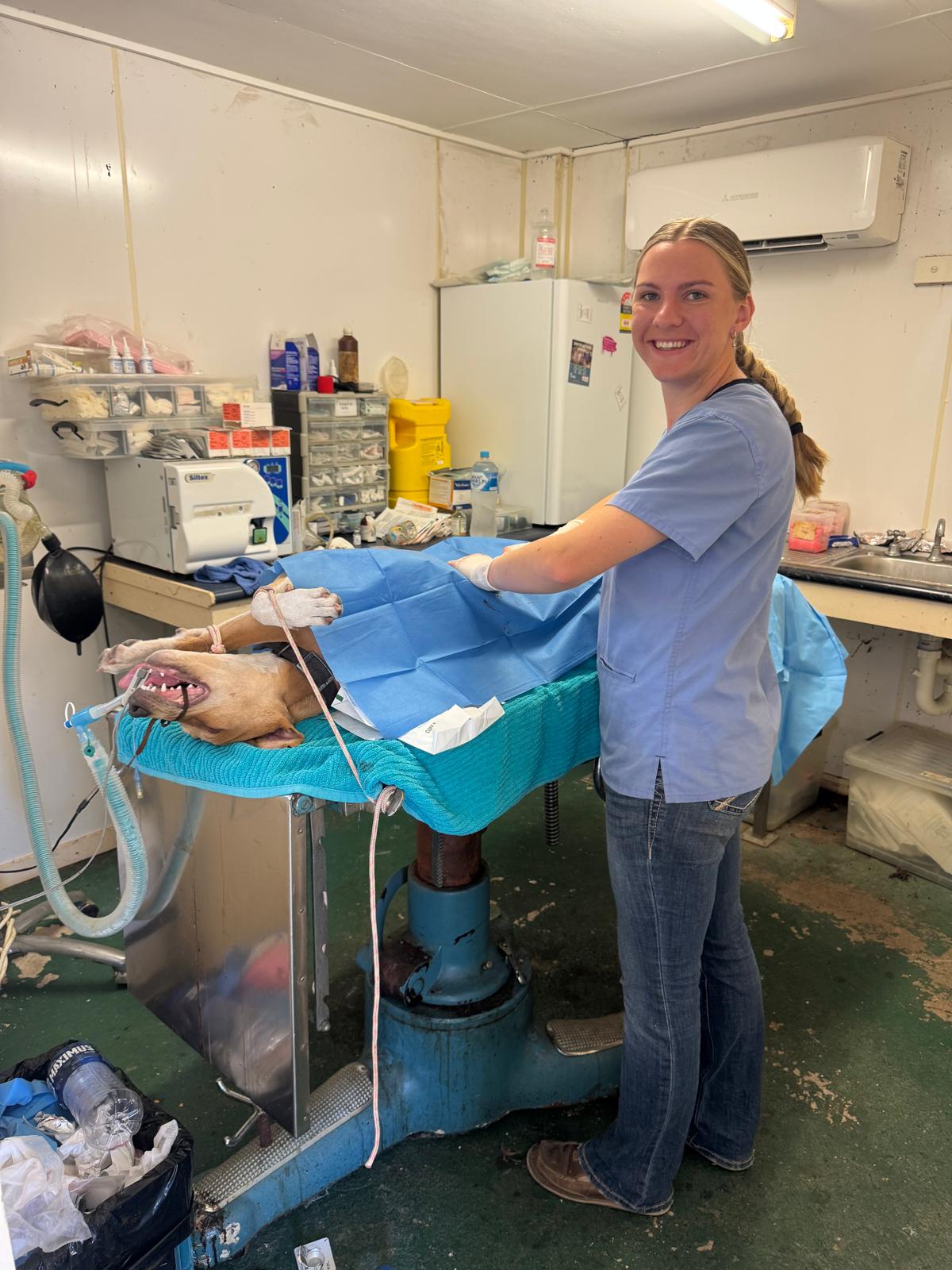
Melanie volunteered two full days and then continued helping after we left. Her knowledge as a local nurse and her relationships within the community helped us have conversations we simply couldn't have had in the same way without her.
Dahna, Holly and Elliot, a family of RAA foster carers, volunteered their time. Chrissy, another RAA foster carer and dedicated volunteer, joined the team. Kirsty from The COO Hub supported the visit alongside her fundraising and communications work with RAA. Cecilia, our Operations Manager, and Jess, RAA's founder, were there making it all happen.
Pormpuraaw's Land and Sea Rangers also supported the work on the ground.
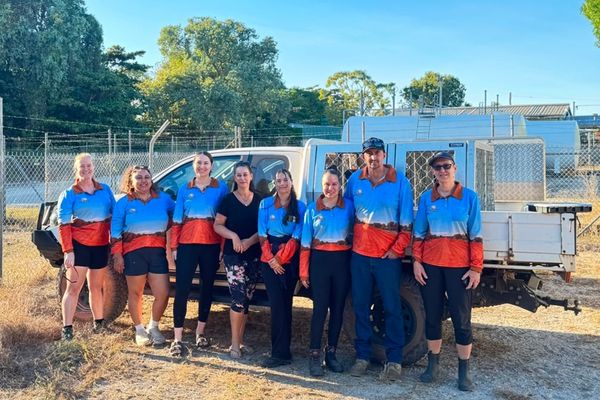
At one point, that team faced the logistical challenge of getting eight large dogs from one home to the clinic to be desexed. None of these dogs had ever travelled in the back of a ute before. They weren't dogs that would happily jump up when you opened the tailgate. Each one had to be carefully encouraged, lifted and settled before we could get them to the clinic.
It took time, patience and quite a few hands, but eight dogs made it to the clinic. Eight dogs were desexed. And that's eight dogs that can no longer contribute to generations of unplanned litters in the years ahead.
We Were Meant to Leave at 11am
We had an eight-hour drive ahead of us and genuinely needed to leave Pormpuraaw by 11am.
Then we found more puppies. Around 8 or 9 of them.
They were skinny. They needed care. Most importantly, they needed their parvovirus vaccinations.
Our volunteers couldn't bear the thought of driving away knowing those puppies had missed their opportunity to be protected, so they picked them up and took them to the clinic.
Leaving later meant getting home later that night after an already exhausting few days. They did it anyway because those puppies might not have another opportunity to receive that vaccination for months.
That's what these visits require, people willing to keep going when one more dog appears around the corner, people who are not here to judge. We're here to help.
Prevention and Rescue Need Each Other
RAA will always rescue animals that need to leave community, but our measure of success cannot simply be how many dogs we rescue.
We also need to ask how many dogs never became sick, how many puppies didn't contract parvovirus, how many unplanned litters weren't born, how many dogs avoided severe parasite burdens, how many owners recognised a health problem earlier because of a conversation we'd had, and how many animals could remain healthy and loved within their own community.
That's the bigger opportunity.
Our job isn't to assume communities don't care enough. It's to work alongside them to remove some of the barriers standing between people and the care they want for their animals.
Where We Want This Work to Lead
Pormpuraaw gave us plenty to think about. We want to return more regularly, make parasite prevention easier to access between visits, continue vaccinating new puppies against parvovirus and strengthen education so people can recognise preventable conditions earlier.
We also want to explore ways community members can contact someone they trust when they're concerned about an animal. Longer term, we want that person to be in the community.
One of the models RAA wants to work towards is securing funding for trained Animal Support Officers based within remote communities.
Imagine having a trusted local person who knows the families, knows their animals and is there between veterinary visits. Someone a pet owner can show a sick puppy to, who can explain what might be wrong and connect them with veterinary support when needed.
Someone trained to administer parvovirus vaccinations, so a new litter of puppies doesn't have to wait months for the next visiting team. Someone who can help families access parasite prevention when treatments are due. And someone who can continue the education, relationships and prevention work long after RAA has driven home.
Our Community Prevention Visits can help bridge the current gap, but ultimately, we'd love to help communities build the capacity to have this support available locally.
That's the longer-term change we're working towards.
If you would like to contribute to our greater mission, please take a look at our Impact Partnerships